
Construction Jobs in Florida: Your Complete 2026 Guide

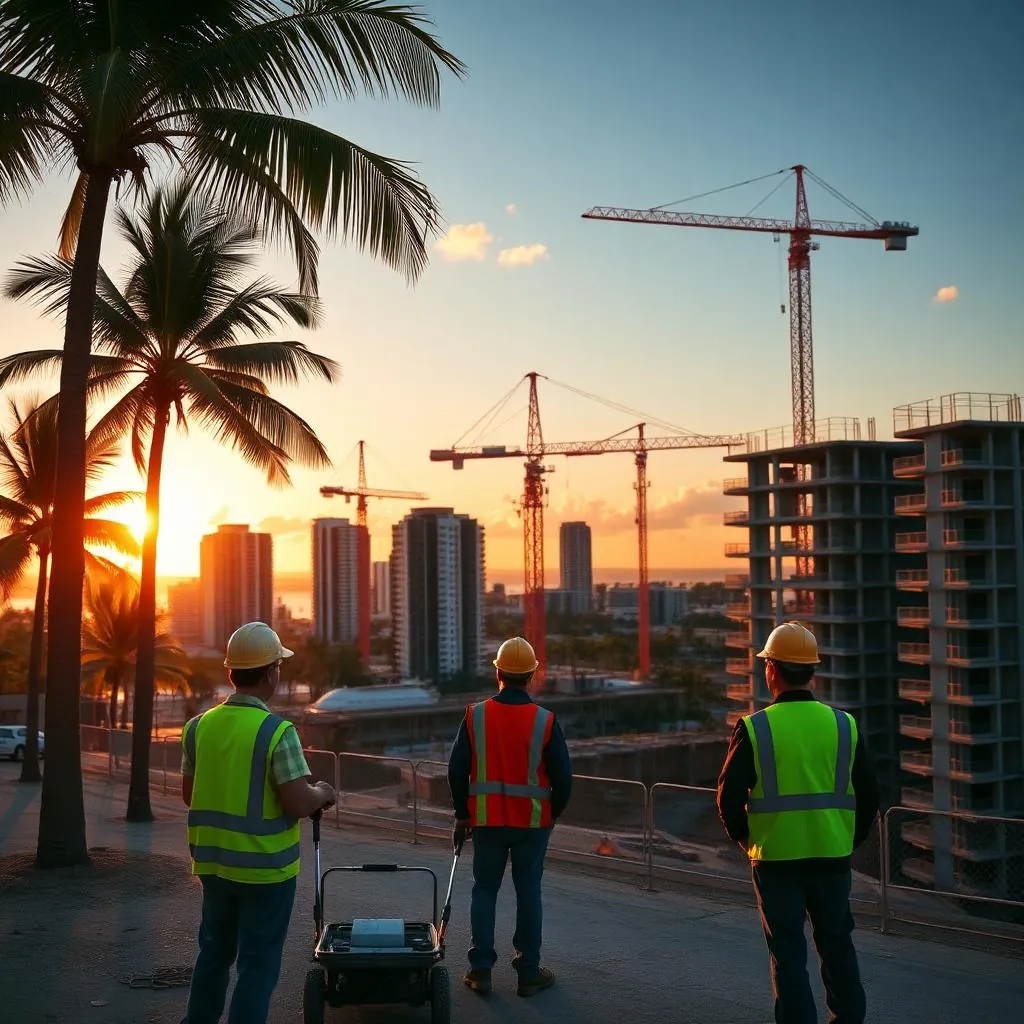
Florida's construction industry is firing on all cylinders. As the third most populous state in America—and one of the fastest growing—the Sunshine State offers a wealth of opportunities for construction professionals across every trade and experience level.
From Miami's gleaming high-rises to Orlando's theme park expansions, from Tampa Bay's waterfront developments to Jacksonville's infrastructure boom, Florida is building at a pace that demands thousands of additional skilled workers every year.
Why Florida Is a Top Market for Construction
Relentless Population Growth
Florida adds approximately 1,000 new residents every single day. This influx drives constant demand for:
- New residential housing (single-family, multifamily, and senior living)
- Schools and educational facilities
- Healthcare facilities
- Retail and commercial spaces
- Transportation infrastructure
Tourism and Hospitality
Florida's tourism industry generates over $100 billion annually, fueling construction of:
- Hotels and resorts
- Convention centers
- Theme park expansions and new attractions
- Restaurant and entertainment venues
- Airport expansions (especially Orlando, Miami, and Tampa)
Climate Resilience
Florida's exposure to hurricanes, flooding, and rising sea levels creates a unique category of construction demand:
- Storm damage repair and rebuilding
- Flood mitigation infrastructure
- Building code compliance upgrades
- Seawall and coastal protection construction
- Hurricane-resistant new construction
Federal and State Investment
Florida is receiving substantial infrastructure funding for:
- Interstate highway improvements and expansion
- Port modernization (Port of Miami, Port Tampa Bay)
- Water treatment and stormwater management
- Rail and transit projects (Brightline, SunRail expansion)
- Broadband deployment in rural areas
The Florida Construction Market in 2026
| Metric | Value | |--------|-------| | Construction workers employed | 625,000+ | | Average annual salary | $48,000–$60,000 | | Projected job growth (2024–2034) | 10–14% | | Top metro areas | Miami-Dade, Orlando, Tampa, Jacksonville | | Key growth sectors | Residential, infrastructure, hospitality |
In-Demand Construction Trades in Florida
Roofers
Average salary: $40,000–$60,000 Florida-specific demand: With hurricane season running June through November, roofing is one of the most consistently in-demand trades. Florida's building codes require impact-resistant roofing materials, creating specialized knowledge requirements.
Electricians
Average salary: $50,000–$78,000 Florida-specific demand: New residential construction, commercial development, and the growing need for solar panel installation drive strong demand.
Plumbers
Average salary: $48,000–$75,000 Florida-specific demand: Florida's unique water table and plumbing requirements (including the widespread use of PVC over copper) create distinct skill requirements.
Concrete Workers
Average salary: $38,000–$55,000 Florida-specific demand: Concrete block construction (CBS) is the standard building method in Florida, unlike wood-frame construction common in many other states. This makes concrete skills particularly valuable.
HVAC Technicians
Average salary: $45,000–$72,000 Florida-specific demand: Florida's heat and humidity make air conditioning a year-round necessity, not a seasonal luxury. HVAC technicians enjoy consistent, steady work.
Hurricane Shutter and Impact Window Installers
Average salary: $40,000–$65,000 Florida-specific demand: This is a specialty trade that barely exists in most other states. Florida building codes require impact-resistant windows and shutters in most coastal areas.
Licensing in Florida
Florida has a well-established contractor licensing system managed by the Department of Business and Professional Regulation (DBPR).
License Types
| License Type | Requirements | Scope | |-------------|-------------|-------| | Certified General Contractor | Exam + 4 years experience | Can work anywhere in Florida | | Certified Building Contractor | Exam + 4 years experience | Limited to buildings (no bridges, roads, etc.) | | Registered Contractor | Local exam + experience | Can only work in the county/municipality that issued the license | | Specialty Contractor | Trade-specific exam | Specific trade work (roofing, AC, pool, etc.) |
Key Requirements
- Pass a state examination (trade and business/finance sections)
- Proof of at least 4 years of experience
- Workers' compensation insurance (if you have employees)
- Financial statement reviewed by a CPA
- Criminal background check
Important Note
Florida is one of the stricter states for contractor licensing. Working without a license is a criminal offense and can result in fines, imprisonment, and being barred from obtaining a license in the future.
Best Construction Markets in Florida
Miami-Dade / South Florida
- Market character: High-rise condos, luxury residential, commercial
- Average wages: Highest in the state
- Unique opportunities: Coastal construction requiring specialized wind-load and flood-zone knowledge
- Challenges: Very high cost of living, heavy traffic
Orlando / Central Florida
- Market character: Theme parks, hospitality, suburban residential, data centers
- Average wages: Mid-range
- Unique opportunities: Disney, Universal, and other theme parks create unique construction specialties
- Challenges: Seasonal tourism peaks affect project scheduling
Tampa Bay
- Market character: Mixed-use waterfront development, residential, infrastructure
- Average wages: Mid-range, growing rapidly
- Unique opportunities: Significant waterfront and downtown revitalization projects
- Challenges: Growing competition for skilled labor
Jacksonville
- Market character: Military installations, port infrastructure, residential
- Average wages: Lower than South Florida but growing
- Unique opportunities: Naval Station Mayport and associated military construction
- Challenges: More spread out geographically
Florida-Specific Considerations
The Florida Building Code (FBC)
Florida has one of the most stringent building codes in the nation, developed in response to Hurricane Andrew (1992). Key requirements include:
- Wind resistance: Buildings must be designed to withstand specific wind speeds based on geographic location
- Impact protection: Windows and openings in the High-Velocity Hurricane Zone (HVHZ) must meet impact-resistant standards
- Flood zone compliance: Structures in flood zones must meet specific elevation and construction requirements
- Energy efficiency: Florida has adopted strict energy conservation standards
Understanding the FBC is essential for any contractor working in the state.
Hurricane Season
June through November brings unique challenges and opportunities:
- Pre-season: Demand surges for storm preparation work (shutter installation, roof inspection, tree trimming)
- Post-storm: If a hurricane hits, demand for repair and rebuilding work can spike dramatically for months or years
- Year-round: Insurance-driven roof replacements and upgrades create steady demand
Heat and Weather
Working outdoors in Florida means dealing with:
- Summer temperatures regularly exceeding 90°F with high humidity
- Frequent afternoon thunderstorms (especially June–September)
- The need for heat illness prevention programs
- Early start times (many Florida crews begin at 6:00 or 7:00 AM to avoid peak heat)
No State Income Tax
Like Texas, Florida has no state income tax. This is a significant financial advantage:
| Comparison | Florida | California | New York | |-----------|---------|-----------|----------| | State income tax | 0% | 1–13.3% | 4–10.9% | | On $60,000 income | $0 saved | ~$2,500–$4,000 taxed | ~$2,400–$3,500 taxed |
This means Florida construction workers keep more of their paychecks than counterparts in high-tax states.
How to Get Started in Florida Construction
- Obtain your OSHA 10-Hour certification — Required by most Florida employers
- Research licensing requirements for your specific trade through DBPR
- Study the Florida Building Code — Understanding FBC requirements is essential
- Use the TODO Careers app to connect with Florida construction employers
- Consider union membership — IBEW, UA, and other unions have active Florida chapters
- Network at industry events — Florida has numerous construction trade shows and job fairs
The Bottom Line
Florida's construction market offers exceptional opportunities driven by population growth, tourism, infrastructure investment, and the unique demands of climate resilience. With no state income tax, year-round construction season, and strong demand across all trades, the Sunshine State is one of the best places in America to build a construction career.
Explore construction opportunities in Florida today. Download the TODO Careers app and connect with employers across the Sunshine State.
15 years in the construction industry, helping contractors and skilled workers connect with confidence.