
Construction Technology in 2026: How AI, Drones, and BIM Are Transforming the Industry

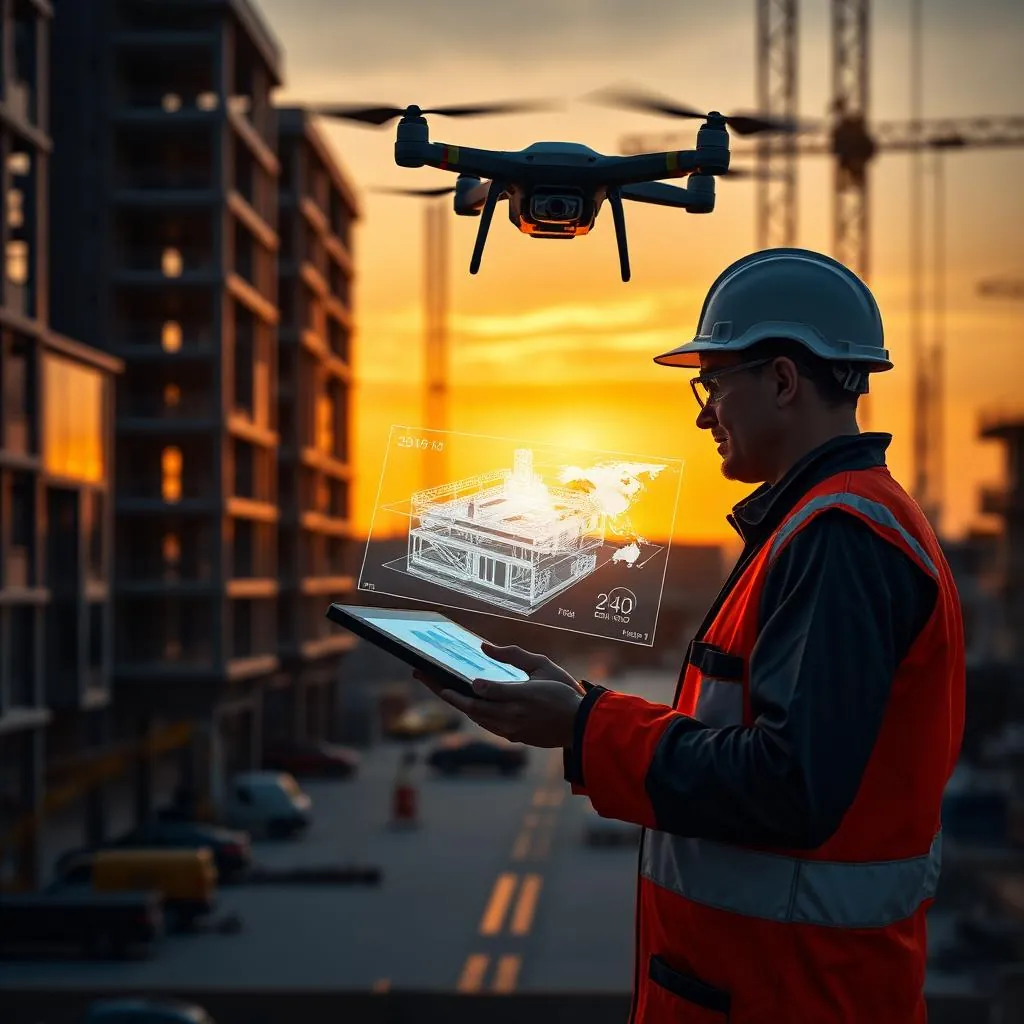
The construction industry has historically been one of the slowest sectors to adopt new technology. For decades, projects were managed with paper plans, manual measurements, and gut instincts honed over years of experience.
That era is ending. In 2026, construction technology isn't a futuristic concept—it's an operational necessity. From AI-powered scheduling to autonomous drones and intelligent Building Information Modeling (BIM), technology is reshaping how projects are designed, built, and managed.
Here's what you need to know about the technologies transforming construction—and how they affect both workers and employers.
Artificial Intelligence: The Digital Crew Member
AI has moved past the experimental phase and is now embedded into core construction workflows. In 2026, AI is less like a flashy gadget and more like a reliable crew member who handles the tedious work so humans can focus on what matters.
Predictive Scheduling and Risk Management
AI algorithms analyze data from past projects—weather patterns, supply chain delays, crew productivity rates—to predict potential issues before they become problems. This allows project managers to:
- Identify schedule risks weeks or months in advance
- Optimize crew deployment to minimize downtime
- Predict material delivery windows with greater accuracy
- Reduce costly rework by catching design conflicts early
Safety Monitoring
Computer vision systems powered by AI are providing 24/7 job site monitoring:
- PPE compliance detection: AI-equipped cameras automatically flag workers not wearing required safety equipment.
- Hazard identification: Systems can detect unsafe conditions—unsecured materials at heights, workers too close to heavy equipment, improper scaffolding configurations.
- Incident prevention: Real-time alerts allow supervisors to intervene before an accident occurs.
These systems have been shown to reduce site injuries significantly, and adoption is accelerating among large and mid-sized contractors.
Automated Documentation
Perhaps the least glamorous but most immediately valuable AI application is automating paperwork. AI tools now handle:
- Daily progress reports generated from site photos and sensor data
- Automatic RFI (Request for Information) tracking and categorization
- Invoice processing and cost tracking
- Compliance documentation
For superintendents who used to spend hours each evening on paperwork, AI automation is a genuine quality-of-life improvement.
Building Information Modeling: The Project Operating System
BIM has evolved from a simple 3D modeling tool into a comprehensive project management platform—essentially the operating system for modern construction projects.
What BIM Does in 2026
- 3D Visualization: Detailed digital models of every building component, from structural steel to electrical conduit.
- Clash Detection: Automatically identifies conflicts between building systems (e.g., an HVAC duct running through a structural beam) before construction begins, preventing costly on-site rework.
- Cost Estimation: Real-time material quantities and cost projections linked directly to the model.
- Scheduling: Construction sequences tied to the 3D model, allowing stakeholders to visualize the build process over time (4D BIM).
- Facility Management: Post-construction, BIM models serve as living documents for building maintenance and operations.
Digital Twins
The next evolution of BIM is the digital twin—a real-time virtual replica of a physical building. Sensors embedded in the structure feed live data (temperature, humidity, structural loads, energy usage) into the digital model, enabling:
- Predictive maintenance (fixing problems before they cause failures)
- Energy optimization
- Space utilization analysis
- Long-term lifecycle cost management
What This Means for Workers
BIM proficiency is becoming a baseline expectation for project managers, superintendents, and estimators. Workers with BIM skills command salary premiums, and the demand for BIM coordinators and managers continues to grow.
If you're looking to advance your career, investing in BIM training is one of the highest-return decisions you can make. Many community colleges and online platforms offer BIM courses, and industry certifications (like Autodesk Certified Professional) are widely recognized.
Drones: From Novelty to Necessity
Drones were once considered a luxury in construction. In 2026, they're standard equipment on many job sites.
How Drones Are Used
Site Surveying and Mapping Drones equipped with LiDAR and high-resolution cameras can survey a site in hours—work that previously took days with traditional methods. The data feeds directly into BIM models and project management software.
Progress Monitoring Regular drone flights create visual records of construction progress, providing:
- Aerial photos and videos for stakeholder reporting
- Accurate progress comparisons against the BIM model
- Documentation for payment applications
- Evidence for dispute resolution
Safety Inspections Drones can inspect hard-to-reach or dangerous areas—rooftops, bridges, tower structures—without putting workers at risk. This is particularly valuable for:
- Roof inspections
- Bridge and infrastructure assessment
- Tower and chimney inspections
- Post-disaster damage assessment
Inventory Management Drone-based inventory scans track material quantities on laydown yards, helping prevent theft and ensuring accurate material tracking.
Autonomous Operations
The latest generation of construction drones is increasingly autonomous. Rather than requiring a skilled pilot for every flight, drones can:
- Follow pre-programmed flight paths
- Automatically capture images at designated points
- Return to base for charging and data upload
- Generate reports with minimal human intervention
Other Technologies Reshaping Construction
Prefabrication and Modular Construction
Building components in controlled factory settings, then assembling them on site. Benefits include:
- 20–50% reduction in construction time
- Higher quality control
- Less material waste
- Reduced on-site labor requirements
- Fewer weather delays
Wearable Technology
Smart hard hats, vests, and wristbands that monitor:
- Worker fatigue and heat stress
- Location tracking for emergency response
- Biometric data for health and safety
- Fall detection with automatic alerts
Robotics
Construction robots are handling repetitive tasks:
- Bricklaying robots that can place 1,000+ bricks per hour
- Rebar-tying robots that work faster and with less physical strain than humans
- Autonomous equipment (dozers, excavators) for earthmoving operations
- 3D printing for walls and structural components
Augmented Reality (AR)
AR glasses and tablets overlay digital information onto the physical world:
- Viewing BIM models superimposed on the actual construction site
- Guided installation using visual step-by-step overlays
- Real-time quality verification by comparing built conditions to the model
- Remote expert assistance—specialists can see what the on-site worker sees and provide guidance
What This Means for Your Career
The Skills Gap Is Also a Technology Gap
The construction worker shortage isn't just about bodies—it's about skills. Workers who understand and can leverage technology are exponentially more valuable than those who can't.
High-Value Digital Skills
| Skill | Demand Level | Salary Impact | |-------|-------------|---------------| | BIM proficiency | 🔴 Critical | 15–25% premium | | Drone operation (Part 107 license) | 🟠 High | 10–20% premium | | AI/software tool proficiency | 🟠 High | 15–30% premium | | Data analysis | 🟡 Growing | 10–15% premium | | VDC (Virtual Design and Construction) | 🔴 Critical | 20–35% premium |
Technology Won't Replace Workers—It Will Empower Them
Despite fears about automation, technology in construction is primarily augmenting human capabilities, not replacing them. Robots can lay bricks, but they can't troubleshoot a complex plumbing problem. Drones can survey a site, but they can't make the judgment calls that experienced superintendents make every day.
The workers who thrive will be those who combine traditional construction skills with technology literacy—the best of both worlds.
The Bottom Line
Construction technology in 2026 is no longer about early adoption or competitive advantage—it's about staying relevant. AI, drones, BIM, and emerging technologies are transforming every aspect of how buildings are designed, constructed, and maintained.
For workers, this means new skills to learn and new opportunities to pursue. For employers, it means new tools to address the labor shortage, improve safety, and deliver projects more efficiently.
The future of construction is being built right now—and it's powered by technology.
Ready to find opportunities with technology-forward construction companies? Download the TODO Careers app and take your career to the next level.
15 years in the construction industry, helping contractors and skilled workers connect with confidence.