
The Construction Worker Shortage in 2026: What It Means for Workers and Employers

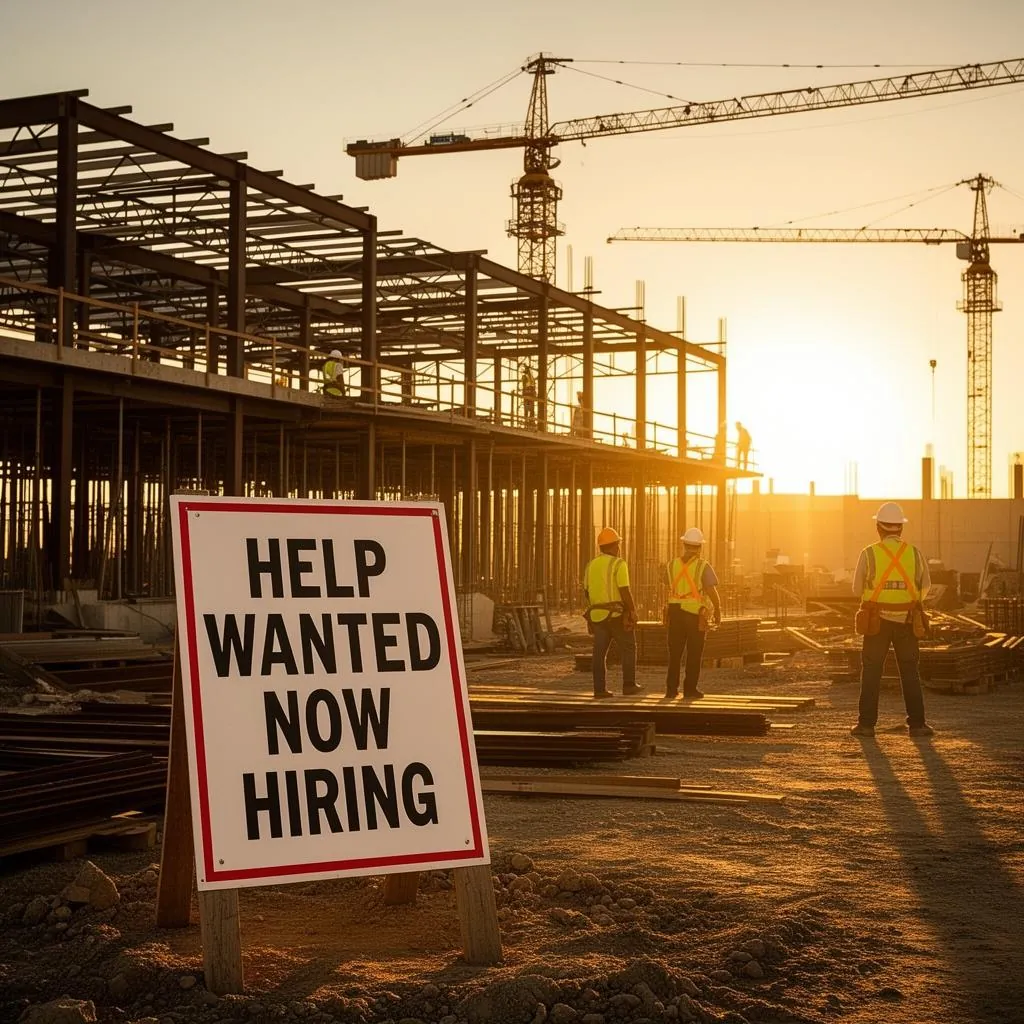
The American construction industry is facing a workforce crisis unlike anything seen in decades. With an estimated 500,000 additional workers needed in 2026 alone and 92% of firms struggling to fill open positions, the shortage is reshaping how projects are planned, how workers are compensated, and how the entire industry operates.
But here's the thing—this crisis isn't just a problem. For workers, it's an unprecedented opportunity. And for employers, understanding the shortage is the first step toward building a sustainable hiring strategy.
The Numbers Behind the Shortage
Let's start with the facts:
- 8.3 million workers are currently employed in the U.S. construction industry as of early 2026.
- The industry needs approximately 349,000 to 499,000 net new workers this year to meet demand.
- 92% of construction firms report difficulty filling positions—from entry-level laborers to experienced superintendents.
- The construction fatal injury rate is nearly 3x higher than the national average, making recruitment even more challenging.
These aren't just numbers on a page. Behind each statistic is a project that's delayed, a bid that can't be staffed, and clients left waiting.
Why Is There a Shortage?
The "Silver Tsunami"
The construction workforce is aging rapidly. A significant portion of experienced tradespeople are nearing retirement, and the pipeline of new, trained workers hasn't kept pace. When a 30-year veteran electrician retires, they take decades of knowledge, mentorship capability, and productivity with them.
Stigma Around the Trades
For years, American culture has pushed the narrative that a four-year college degree is the only path to success. This has diverted millions of young people away from the skilled trades, creating a generational gap that the industry is now scrambling to fill.
Competition from Other Industries
Construction isn't just competing with other contractors for talent—it's competing with manufacturing, logistics, and technology sectors that are also experiencing massive labor needs. Amazon warehouses, Tesla factories, and semiconductor plants are all vying for the same pool of workers.
Evolving Skill Requirements
Modern construction projects aren't like those of 20 years ago. Today's job sites require familiarity with Building Information Modeling (BIM), drone technology, prefabrication, and sustainable building practices. The bar for technical competence has risen, shrinking the pool of qualified candidates even further.
What This Means for Construction Workers
If you're a skilled construction professional, 2026 might be the best labor market you'll ever see. Here's why:
Higher Wages
Construction compensation is expected to increase by 8–12% in 2026, far outpacing the 3.5–3.8% growth projected for the general U.S. labor market. Skilled tradespeople are commanding premium wages, and specialized workers (data center electricians, medical gas plumbers) are seeing even larger increases.
Better Benefits
Desperate to attract and retain talent, many firms are now offering:
- Signing bonuses of $5,000–$15,000
- Relocation packages of $20,000–$40,000
- Comprehensive health insurance
- Retirement plans with employer matching
- Paid training and certification programs
More Negotiating Power
With over 90% of firms struggling to fill positions, workers have significant leverage in negotiations. This applies not just to compensation, but also to working conditions, schedules, and career advancement opportunities.
Career Advancement
The shortage means faster career progression. Workers who demonstrate reliability, skill, and leadership can move into supervisory and management roles much more quickly than in previous decades.
What This Means for Employers
Project Delays Are Becoming the Norm
Workforce shortages are now the leading cause of project delays in the construction industry. Contractors are increasingly forced to stretch teams thin, slow project starts, or even turn down work because they can't staff projects confidently.
Traditional Hiring Doesn't Work Anymore
Posting a job on a generic job board and waiting for applications is no longer an effective strategy. Employers need to be proactive, using specialized platforms, employee referral programs, and community partnerships to find talent.
Retention Is More Important Than Ever
In a tight labor market, losing a skilled worker isn't just an inconvenience—it's a crisis. Every departure triggers a costly cycle of recruiting, onboarding, and training. Smart employers are investing heavily in:
- Competitive compensation packages
- Clear career development paths
- Positive workplace culture
- Modern tools and equipment
- Safety programs that demonstrate genuine care for worker well-being
Technology as a Force Multiplier
When you can't find enough workers, you make the ones you have more productive. This is driving rapid adoption of:
- Prefabrication and modular construction: Building components in controlled factory settings reduces on-site labor needs.
- AI-powered scheduling: Optimizing crew deployment to minimize downtime and maximize output.
- Drones and robotics: Automating surveying, inspections, and repetitive tasks.
- BIM and digital twins: Reducing rework through better planning and coordination.
The Most In-Demand Roles
The shortage isn't uniform across all positions. Here are the roles experiencing the most acute demand:
| Role | Demand Level | Average Salary | |------|-------------|----------------| | Electricians | 🔴 Critical | $63,000 – $140,000 | | Plumbers/Pipefitters | 🔴 Critical | $64,000 – $135,000 | | Heavy Equipment Operators | 🔴 Critical | $50,000 – $85,000 | | Concrete/Framing Specialists | 🟠 High | $45,000 – $70,000 | | Superintendents | 🔴 Critical | $90,000 – $220,000 | | Project Managers | 🟠 High | $80,000 – $250,000 | | Welders | 🟠 High | $45,000 – $90,000 |
What's Being Done About It
The good news is that the industry isn't standing still. Significant investments are being made to address the workforce gap:
Training Programs
Hundreds of millions of dollars in corporate and philanthropic funding are flowing into skilled-trades training programs. Companies, unions, and community colleges are partnering to create accelerated apprenticeship programs that can get workers job-ready faster.
Technology Adoption
Firms are leveraging AI, automation, and digital tools not just for productivity, but also for onboarding—using virtual reality training, augmented reality guidance, and AI-assisted quality control to help new workers become productive more quickly.
Industry Image
Organizations across the sector are working to rebrand the trades as the rewarding, well-compensated, and technologically sophisticated careers they truly are—challenging the outdated stereotypes that have kept young people away.
Platforms Like TODO Careers
Specialized platforms that connect construction professionals directly with employers are helping bridge the gap by making it easier and faster for both sides to find the right match. Instead of relying on word-of-mouth or generic job boards, workers and employers can connect based on specific skills, experience, and location.
The Bottom Line
The construction worker shortage in 2026 is both a challenge and an opportunity. For workers, it means higher pay, better benefits, and more career options than at almost any point in history. For employers, it means adapting hiring strategies, investing in retention, and embracing technology.
One thing is certain: the demand for skilled construction professionals isn't going away anytime soon. Those who position themselves wisely—whether as workers or employers—will thrive in this new landscape.
Looking for construction opportunities or need to hire skilled professionals? TODO Careers connects workers and employers directly. Download the app today.
15 years in the construction industry, helping contractors and skilled workers connect with confidence.