
Electrician vs. Plumber vs. HVAC: Which Trade Career Is Right for You?

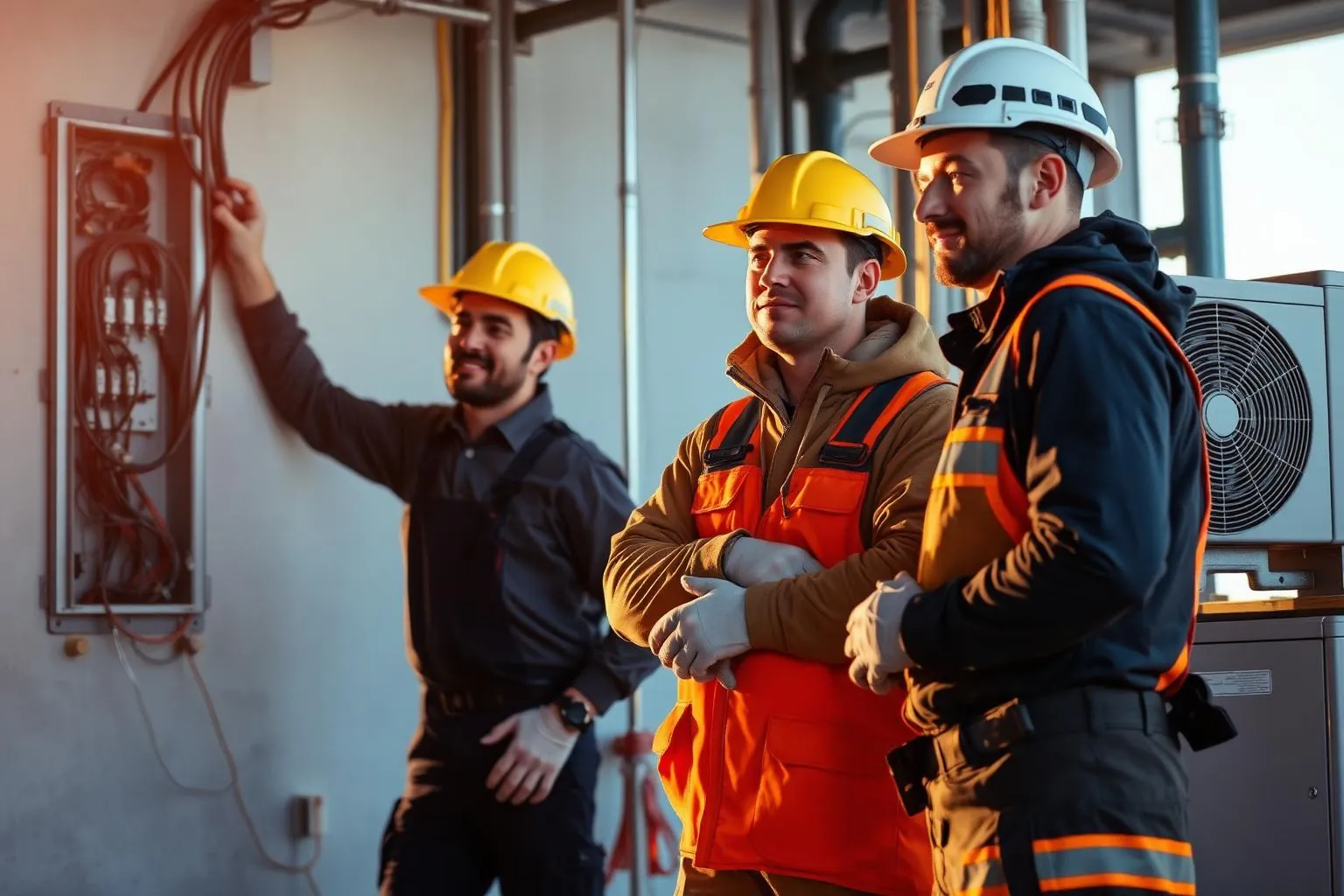
Choosing a trade is one of the most important decisions you'll make in your construction career. Electricians, plumbers, and HVAC technicians are three of the most in-demand and highest-paying trades in 2026—but they offer very different day-to-day experiences, career paths, and lifestyle considerations.
This comprehensive comparison will help you determine which trade best matches your skills, interests, and career goals.
Quick Comparison Overview
| Factor | Electrician | Plumber | HVAC Technician | |--------|------------|---------|-----------------| | Median Salary | $63,190 | $63,790 | $57,300 | | Top Earners | $100,000–$140,000 | $95,000–$135,000 | $90,000–$125,000 | | Apprenticeship Length | 4–5 years | 4–5 years | 3–5 years | | Physical Demand | Moderate | High | Moderate-High | | Work Environment | Indoor/Outdoor | Indoor (often tight spaces) | Indoor/Outdoor | | Demand Level (2026) | Critical | Critical | High | | Self-Employment Rate | High | Very High | Moderate | | Technology Integration | Very High | Moderate | High |
The Electrician Path
What Electricians Do
Electricians install, maintain, and repair electrical systems in residential, commercial, and industrial settings. This includes wiring, circuit breakers, lighting systems, fire alarm systems, and increasingly, smart home technology and EV charging stations.
The Work
A typical day as an electrician might involve:
- Reading and interpreting blueprints and technical diagrams
- Installing wiring and electrical components in new construction
- Troubleshooting electrical problems in existing buildings
- Upgrading outdated electrical panels
- Installing solar panels or EV charging infrastructure
- Testing circuits using specialized equipment (multimeters, oscilloscopes)
Pros
- Highest technology integration: Electricians work with the latest smart home, renewable energy, and data center technologies.
- Clean work: Compared to plumbing, electrical work is generally cleaner and less physically taxing on the body.
- Data center demand: The AI boom has created massive demand for electricians in data center construction, with a 32% pay premium.
- Diverse specializations: Residential, commercial, industrial, low-voltage, fire alarm, solar, and more.
- Strong self-employment potential: Many electricians start their own businesses.
Cons
- Electrical hazard: Working with live electricity carries inherent risk of electrocution.
- Long apprenticeship: Typically 4–5 years before you earn journeyman status.
- Continuing education: Electrical codes update frequently, requiring ongoing study.
- Physical positioning: Lots of reaching overhead, working in tight spaces, and climbing ladders.
Best For
People who enjoy problem-solving, have strong analytical skills, are comfortable with math, and are interested in technology. If you like understanding how systems work and troubleshooting logically, electrical work may be ideal.
The Plumber Path
What Plumbers Do
Plumbers install and repair piping systems that carry water, gas, and waste in residential, commercial, and industrial buildings. They also install fixtures (sinks, toilets, water heaters) and may specialize in areas like fire suppression, medical gas, or steam systems.
The Work
A typical day as a plumber might involve:
- Reading blueprints to determine pipe layouts
- Cutting, threading, and joining pipes using various methods (soldering, welding, PVC cementing)
- Installing bathroom and kitchen fixtures
- Diagnosing and repairing leaks
- Unclogging drains and sewer lines
- Installing water heaters, boilers, or gas lines
- Inspecting plumbing systems for code compliance
Pros
- Highest self-employment rate: Plumbing offers excellent opportunities to start your own business.
- Always in demand: Plumbing is a necessity—pipes will always need installation and repair.
- Recession-resistant: Even in economic downturns, plumbing emergencies don't stop.
- Diverse work: Residential service calls, new construction, commercial projects—variety is built in.
- Specialization premiums: Medical gas plumbers and fire suppression specialists earn 30–50% more.
Cons
- Most physically demanding: Plumbing often involves heavy lifting, working in crawl spaces, and exposure to sewage.
- Uncomfortable conditions: Working under houses, in trenches, and in confined spaces is common.
- Emergency calls: Plumbing emergencies happen at all hours—be prepared for occasional after-hours work.
- Exposure to hazards: Contact with sewage, asbestos (in older buildings), and natural gas.
Best For
People who are physically fit, don't mind getting their hands dirty, enjoy hands-on problem-solving, and want strong entrepreneurial options. If you're the type who likes fixing things and working independently, plumbing could be perfect.
The HVAC Technician Path
What HVAC Technicians Do
HVAC (Heating, Ventilation, Air Conditioning, and Refrigeration) technicians install, maintain, and repair climate control systems. As buildings become more energy-efficient and regulations around refrigerants tighten, the role has become increasingly technical and specialized.
The Work
A typical day as an HVAC technician might involve:
- Installing ductwork, thermostats, and air handling units
- Performing routine maintenance on commercial HVAC systems
- Diagnosing and repairing system malfunctions
- Charging refrigerant and checking for leaks
- Installing energy-efficient heat pumps
- Programming smart thermostats and building automation systems
- Performing load calculations for new installations
Pros
- Year-round demand: Heating season and cooling season keep work steady all year.
- Growing market: Energy efficiency regulations and the push toward heat pumps are expanding the market.
- Good work-life balance: Many HVAC jobs are regular hours with predictable schedules.
- Less physically demanding than plumbing (generally).
- Technology-rich: Modern HVAC systems integrate smart controls, IoT sensors, and energy management.
Cons
- Seasonal peaks: Expect very long hours during extreme heat waves or cold snaps.
- Rooftop work: Commercial HVAC units are often located on rooftops, requiring comfort with heights.
- Refrigerant handling: EPA certification required; some refrigerants require special handling.
- Temperature extremes: You'll be working in attics in summer and on rooftops in winter.
Best For
People who enjoy working with mechanical systems, are interested in energy efficiency and technology, and prefer a more balanced schedule. If you like diagnosing complex systems and are comfortable with both indoor and outdoor work, HVAC is a strong choice.
How to Decide: Key Questions to Ask Yourself
1. What type of problem-solving do you enjoy?
- Logical/analytical → Electrician (circuits, systems design)
- Mechanical/spatial → HVAC (mechanical systems, airflow)
- Hands-on/physical → Plumber (fitting, joining, troubleshooting)
2. How important is work-life balance?
- Most predictable schedule → HVAC (especially service work)
- Variable schedule → Electrician (depends on project type)
- Most unpredictable → Plumber (emergency calls are common)
3. How physical do you want the work to be?
- Least physically demanding → Electrician
- Moderate → HVAC
- Most physically demanding → Plumber
4. Are you interested in starting your own business?
- Best for self-employment → Plumber (highest self-employment rate)
- Strong potential → Electrician
- Good potential → HVAC
5. What's your interest in technology?
- Cutting-edge tech → Electrician (smart homes, solar, data centers, EV)
- Growing tech → HVAC (smart controls, energy management)
- Traditional skills → Plumber (though changing with smart plumbing)
The Good News: You Can't Go Wrong
Here's the honest truth—all three trades offer excellent career prospects in 2026 and beyond. Each one provides:
- Above-average wages that are increasing rapidly
- Strong job security driven by the nationwide worker shortage
- Clear career progression from apprentice to journeyman to master
- Opportunities for self-employment and business ownership
- The satisfaction of skilled, meaningful work
The best choice is the one that aligns with your natural interests, physical capabilities, and lifestyle preferences. And remember—many construction professionals develop skills in multiple trades over their careers.
Ready to explore opportunities in electrical, plumbing, or HVAC? Download the TODO Careers app and connect with employers hiring in all construction trades.
15 years in the construction industry, helping contractors and skilled workers connect with confidence.