
Green Building and Sustainable Construction: What Every Professional Should Know in 2026

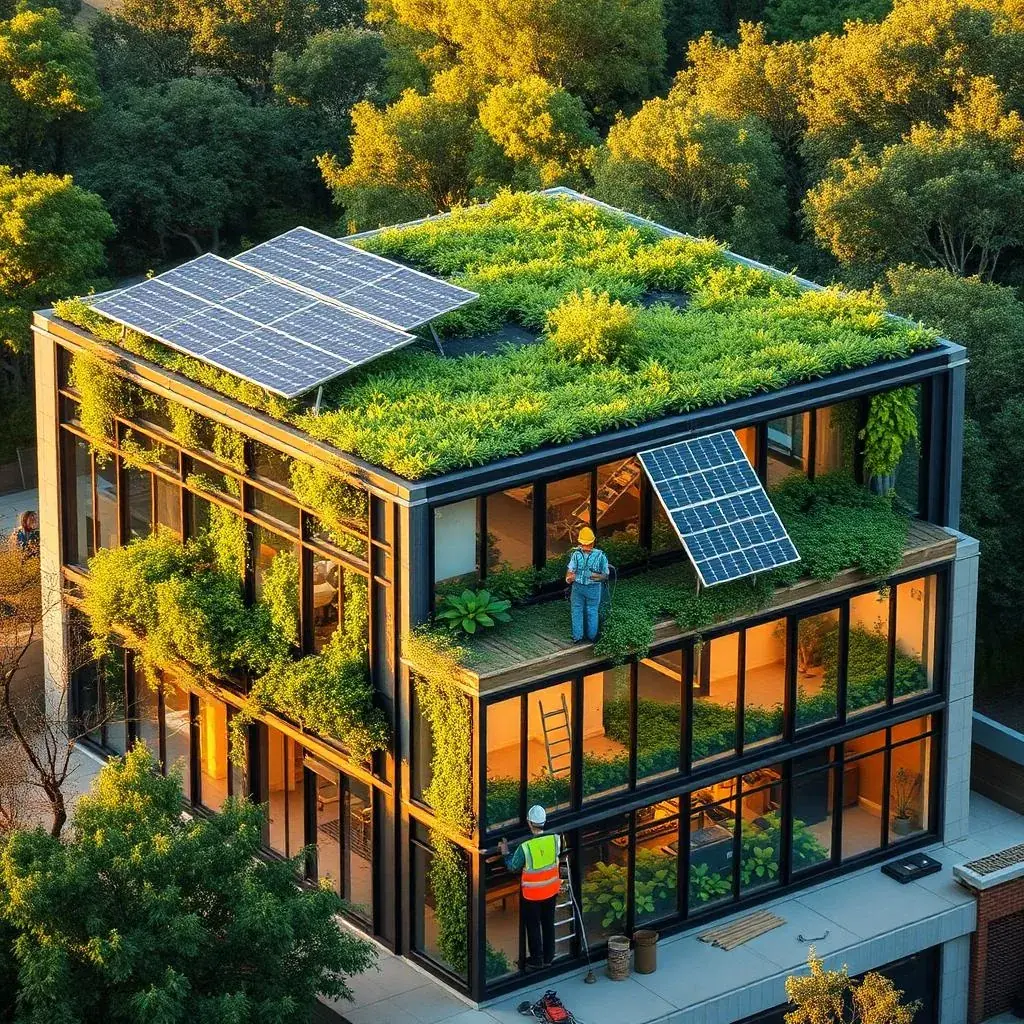
Sustainability is no longer a buzzword in construction—it's a baseline requirement. In 2026, green building practices have moved from the margins to the mainstream, driven by stricter regulations, client demand, cost savings, and a growing recognition that the construction industry must address its environmental impact.
For construction professionals, understanding sustainable building practices isn't just about doing the right thing—it's about staying competitive and relevant in a rapidly evolving industry.
The Environmental Impact of Construction
The numbers are sobering:
- The built environment accounts for approximately 40% of global energy consumption
- Buildings produce about 33% of greenhouse gas emissions
- Construction and demolition activities generate nearly 600 million tons of waste in the US annually
- The construction industry consumes 40% of the world's raw materials
These figures make it clear why sustainability has become a central focus for regulators, clients, and industry leaders.
What Is Green Building?
Green building refers to the practice of creating structures that are environmentally responsible and resource-efficient throughout their lifecycle—from design and construction through operation, maintenance, renovation, and eventual demolition.
Key principles include:
- Energy efficiency: Minimizing energy consumption through design, insulation, and efficient systems
- Water conservation: Reducing water usage through efficient fixtures and landscaping
- Material selection: Using sustainable, recycled, and locally sourced materials
- Indoor environmental quality: Ensuring healthy indoor air quality, natural light, and thermal comfort
- Waste reduction: Minimizing construction waste and maximizing recycling
- Site sustainability: Minimizing impact on the surrounding environment
Green Building Certifications
Several certification programs establish standards for sustainable construction:
LEED (Leadership in Energy and Environmental Design)
The most widely recognized green building certification globally, administered by the U.S. Green Building Council (USGBC).
| LEED Level | Points Required | |-----------|----------------| | Certified | 40–49 | | Silver | 50–59 | | Gold | 60–79 | | Platinum | 80+ |
LEED evaluates buildings across categories including:
- Sustainable sites
- Water efficiency
- Energy and atmosphere
- Materials and resources
- Indoor environmental quality
- Innovation and design process
ENERGY STAR
A joint EPA/DOE program that certifies buildings meeting strict energy efficiency guidelines. ENERGY STAR buildings typically use 20–30% less energy than standard buildings.
Living Building Challenge
The most rigorous green building standard, requiring buildings to generate more energy than they use and treat all water on-site. Few buildings have achieved this certification, but it represents the aspirational future of sustainable construction.
WELL Building Standard
Focuses specifically on how buildings affect human health and well-being, addressing air quality, water quality, nourishment, light, movement, thermal comfort, and sound.
Sustainable Construction Practices
Energy-Efficient Design
Passive design strategies reduce energy consumption through building orientation and design:
- Orienting buildings to maximize natural light while minimizing heat gain
- Using thermal mass to stabilize interior temperatures
- Designing for natural ventilation
- Installing high-performance insulation systems
Active systems include:
- High-efficiency HVAC systems (heat pumps, variable refrigerant flow systems)
- LED lighting with smart controls
- Solar panels and other renewable energy systems
- Energy recovery ventilation
- Building automation systems that optimize energy use in real-time
Sustainable Materials
| Material | Sustainable Alternative | Benefit | |----------|----------------------|---------| | Traditional concrete | Low-carbon concrete, geopolymer concrete | 30–40% lower carbon footprint | | Virgin steel | Recycled steel | 60% energy reduction in production | | Standard lumber | FSC-certified wood, engineered lumber, mass timber | Sustainable forestry, carbon sequestration | | Petroleum-based insulation | Cellulose, wool, hemp insulation | Renewable, lower embodied energy | | PVC piping | Recycled PVC, bio-based alternatives | Reduced environmental impact |
Mass Timber Construction
One of the most significant trends in sustainable construction is the rise of mass timber—engineered wood products (like cross-laminated timber, or CLT) used for structural applications in mid-rise and even high-rise buildings.
Benefits of mass timber:
- Carbon sequestration: Wood stores carbon rather than emitting it
- Faster construction: Prefabricated panels can be installed quickly
- Lighter weight: Reduces foundation requirements
- Aesthetic appeal: Exposed wood creates warm, attractive interiors
- Fire resistance: Counterintuitively, mass timber performs well in fire (chars on the outside, protecting the interior)
Water Conservation
- Low-flow fixtures and dual-flush toilets
- Rainwater harvesting systems
- Greywater recycling
- Drought-resistant landscaping (xeriscaping)
- Smart irrigation systems
- Permeable paving to reduce stormwater runoff
Waste Reduction
Construction waste management strategies include:
- Deconstruction instead of demolition: Carefully disassembling structures to salvage reusable materials
- Prefabrication: Factory-built components generate less waste than on-site construction
- Material optimization: Using BIM to calculate exact material quantities, reducing over-ordering
- On-site recycling: Sorting and recycling concrete, metal, wood, and other materials
- Lean construction principles: Minimizing waste in processes, not just materials
The Business Case for Green Building
Sustainability isn't just good for the planet—it's good for business:
Cost Savings
- Green buildings typically use 25–30% less energy than conventional buildings
- Water consumption can be reduced by 30–50%
- Maintenance costs are often lower due to more durable, higher-quality materials
- Building lifecycle costs are 20% lower on average
Higher Property Values
- LEED-certified buildings command 7–11% higher sale prices
- Green-certified buildings have 13% higher rental rates
- Occupancy rates are typically higher in green buildings
Regulatory Compliance
Many cities and states now require varying levels of green building compliance:
- New York City's Local Law 97 mandates carbon emission limits for buildings
- California's Title 24 sets aggressive energy efficiency standards
- Multiple states require benchmarking and disclosure of building energy performance
Client Demand
An increasing number of clients—both commercial and residential—are specifically requesting sustainable construction:
- Corporate clients pursuing ESG (Environmental, Social, and Governance) goals
- Government projects with green building mandates
- Homeowners seeking energy efficiency and healthy living environments
Career Opportunities in Green Building
LEED Accredited Professional (LEED AP)
The LEED AP credential demonstrates expertise in green building practices and is increasingly valued by employers. Types include:
- LEED AP Building Design + Construction (BD+C)
- LEED AP Operations + Maintenance (O+M)
- LEED AP Interior Design + Construction (ID+C)
- LEED AP Neighborhood Development (ND)
Energy Auditor
Energy auditors assess buildings for energy efficiency and recommend improvements. This is a growing field as more regulations require energy benchmarking.
Solar Installation Technician
Solar PV installation is one of the fastest-growing occupations in the US. Skilled installers are in high demand as solar adoption accelerates.
Green Building Consultant
Consultants help project teams navigate green building certifications, select sustainable materials, and optimize designs for energy efficiency.
Salary Impact
Workers with green building certifications and experience typically earn 10–20% more than those without. As sustainability regulations tighten, this premium is likely to increase.
Getting Started with Green Building
If you're interested in adding green building skills to your toolkit:
- Start with education: The USGBC offers free introductory courses on green building principles
- Get LEED certified: The LEED Green Associate credential is a great starting point
- Learn about energy-efficient systems: Understanding heat pumps, solar, and building automation systems
- Study sustainable materials: Familiarize yourself with alternatives to traditional materials
- Practice waste reduction: Implement recycling and waste minimization on your current projects
- Stay current: Follow industry publications and attend sustainability-focused conferences
The Bottom Line
Green building isn't a trend—it's the future of construction. As regulations tighten, client demand grows, and the cost advantages become clearer, sustainable construction practices will become the default, not the exception.
For construction professionals, developing green building expertise is a smart career investment. The projects are bigger, the pay is better, and the work is more meaningful.
Find opportunities with companies leading the way in sustainable construction. Download the TODO Careers app today.
15 years in the construction industry, helping contractors and skilled workers connect with confidence.